Psilocybin retreats in Port Townsend are best understood as informal, community-led options that exist alongside a local low-priority enforcement approach and continued state and federal illegality for psilocybin. If you are searching for psilocybin retreats in Port Townsend, you are usually looking for nature-based wellness weekends, small group ceremonial circles, and integration-focused gatherings that are built on personal networks and local community norms.
Decriminalization resolution in Jefferson County
Port Townsend is in Jefferson County, and both the city and the county have been part of Washington’s local entheogen decriminalization movement. Port Townsend adopted a city council resolution that frames entheogen-related activity as a low enforcement priority for local policing and signals support for decriminalization. Jefferson County later adopted a similar county-level resolution that aligns with the same basic direction.
These actions matter for how the area feels on the ground. They can reduce the chance that adult personal conduct becomes a local policing focus. They also tend to expand public conversation. Education events become easier to host. Integration circles become easier to find. People can talk about safety and preparation with less fear.
It is still important to keep the limits clear.
Local resolutions do not legalize psilocybin. They do not create a licensed retreat industry. They do not authorize commercial sales. They do not replace Washington state law and they do not replace federal law. A low-priority framework can shape local enforcement, yet it does not create a regulated service system with standardized training, inspections, and consumer protections.
If you are traveling, treat the local policy environment as a reduction in enforcement focus in some contexts. Do not treat it as permission to buy, sell, or run public paid ceremonies. Your real-world risk can shift based on setting, scale, and how public an activity becomes.
Retreat availability in Port Townsend
Port Townsend is a smaller destination than Seattle, so the retreat scene tends to be narrower and more relationship-based. People who use the phrase psilocybin retreats in Port Townsend are usually referring to one of these formats.
Nature-first wellness weekends
These trips often center on walking, journaling, gentle movement, breath practice, and time near the water. They can feel like retreats even without any ceremonial component.
Community-led circles
In many places with entheogen decriminalization resolutions, the most visible offerings are integration circles, preparation workshops, and harm reduction education. These gatherings can be valuable for people who want support without taking legal risks.
Private small-group ceremonies arranged through referrals
Some visitors hear about ceremonial circles through personal networks. These are not part of a licensed system, so standards vary widely. Screening, consent rules, and aftercare can be strong in one group and weak in another.
Because there is no state-licensed psilocybin services system in Washington in 2025, Port Townsend does not have an official menu of legal retreats. Availability also changes seasonally. Summer and early fall tend to bring more visitors and more wellness programming. Winter can be quieter, which can also suit people who want minimal stimulation.
If your travel goal is a packaged retreat that includes lodging, meals, and a fixed schedule, you will usually build that itinerary yourself in Port Townsend. Some travelers prefer a destination where the retreat container is bundled into one plan. We at ONE Retreats in Negril offer an itinerary-based retreat format in Jamaica that includes lodging, meals, and structured preparation and integration support.
Nature based retreat models and local style
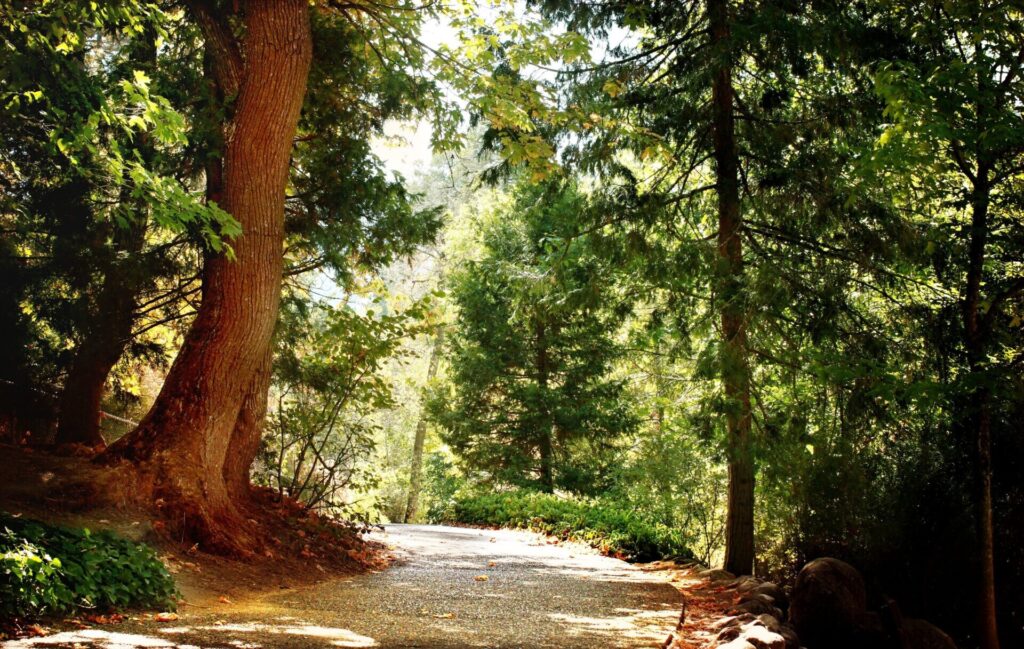
Port Townsend’s strongest asset for retreat travel is the setting. The town supports a slower pace, early nights, long walks, and simple routines that can support reflection. Many visitors want a retreat that feels grounded and low-key. Port Townsend fits that intent well.
A typical nature-based retreat model in Port Townsend often follows a simple arc.
Arrival and downshift
Plan to arrive early enough to eat a steady meal and get a full night of sleep. Travel fatigue can make any inner work feel sharper. A quiet first evening can set the tone for the entire trip.
Daily rhythm built around light and weather
Port Townsend weather can change quickly. A flexible schedule helps. Build one main outdoor block per day and one indoor block for journaling or reading. This keeps the day stable even if conditions shift.
Movement that supports regulation
Most people do best with gentle movement during a retreat trip. Choose options that support breath and body awareness.
- Easy walking routes
- Gentle yoga or mobility work
- Light stretching in the morning and evening
Breath practice that stays steady
Breathwork can be part of preparation and part of integration. In a retreat setting, gentle breath practices are often the most useful because they are easier to repeat at home.
A simple breath plan
- Two minutes of slow nasal breathing
- Two minutes of slightly longer exhales
- One minute of stillness with attention on body sensations
Reflection that leads to action
Retreat reflection works best when it produces a few small next steps. Long journaling sessions can help, yet you also want a way to translate insight into daily habits.
A practical set of journaling prompts
- What am I trying to change in my daily life
- What patterns keep showing up
- What support do I need this month
- What is one small action I can do tomorrow
- What boundary would protect my time and energy
Local style in Port Townsend tends to favor privacy and respect for personal space. Visitors often prefer small groups, clear consent rules, and quiet settings. If a gathering feels performative or overly public, it is often a mismatch for the local tone and it can raise safety concerns.
Travel notes for visitors
Port Townsend can feel remote compared with bigger West Coast destinations, yet it is accessible with planning. A retreat trip works best when your logistics are simple.
Getting there
Most visitors arrive via the Seattle area and then take a combination of driving and ferry routes. Build buffer time into travel. Ferry schedules, traffic, and weather can change timing.
Choosing lodging
For retreat travel, lodging matters as much as activities. Pick a place that supports rest and low stimulation.
What to look for
- Quiet at night
- Comfortable temperature control
- A setup that makes simple meals easy
- Space for journaling and quiet sitting
Getting around
A car helps with nature access. At the same time, avoid planning any driving after a late evening event or any activity that leaves you tired and emotionally open. Rideshare availability can be limited compared with major cities, so plan transport in advance.
Food and routines
Retreat travel goes better with consistent meals. Choose a few simple options and repeat them. Hydrate steadily. Keep caffeine moderate and keep alcohol low if your goal is nervous system regulation.
What to pack
Port Townsend conditions can be cool and windy even in warmer months. Pack layers, rain protection, and comfortable walking shoes. A journal, a warm layer for evening, and an eye shade can also support rest and reflection.
A sample three-day retreat itinerary
Day 1
- Arrival and early dinner
- One easy walk
- Ten minutes of journaling
- Early sleep
Day 2
- Gentle movement and steady breakfast
- Long nature block
- Quiet lunch and rest
- Short breath practice
- Light evening reflection and early night
Day 3
- Morning walk
- Written plan for the next week
- Departure after lunch
This style of itinerary matches what many people actually want from a Port Townsend retreat, which is time, space, and a calmer internal pace.
Safety and wellness practices
In any place without a regulated psilocybin services system, safety depends on standards. If you are considering any facilitator-led setting, focus on screening, consent and aftercare.
Screening standards
A serious screening process should cover these topics.
- Current medications and supplements
- Cardiovascular history including blood pressure issues
- History of seizures
- Personal history of bipolar disorder, mania, or psychosis
- Family history of bipolar disorder or psychosis
- Current alcohol and cannabis patterns
- Current stress load and support network
If a group does not screen, treat that as a reason to step back. If you have complex medical history, consider talking with a clinician before you participate in any intense work.
Consent and boundaries
Consent should be explicit and repeated. Touch policies should be opt-in and specific. Privacy policies should be clear. Phones, photos, and recordings should be addressed before anything begins.
Support roles and ratios
Ask who is present and what each person does. Ask how many support people are in the room for a group setting. A low support ratio can leave people without help when they need it.
Physical environment
A safe space has water, bathrooms, comfortable seating, and low trip hazards. It also has a plan for someone who wants to step outside, ask for help, or leave early.
Aftercare and integration
Aftercare is part of safety. Plan your first week before you travel so you are not improvising while tired.
A simple first-week plan
Days 1 to 3
- Keep obligations light
- Prioritize sleep
- Eat steady meals and hydrate
- Avoid alcohol
- Walk once per day
- Journal ten minutes per day
Days 4 to 7
- Pick one repeatable practice such as a short morning breath routine
- Schedule one supportive conversation
- Keep evenings calm and consistent
If you are traveling alone, share your itinerary with a trusted person. If you are traveling with a partner or friend, set expectations ahead of time about quiet time and rest.
Ongoing discussions in Washington
Washington has continued to debate what a future regulated psilocybin system could look like, yet that is separate from what most visitors experience in Port Townsend today.
At the city and county level, low-priority resolutions have helped normalize public discussion and community education. Seattle adopted a similar low-priority approach in 2021, and Port Townsend and Jefferson County followed with their own resolutions. This local policy trend supports a growing network of preparation and integration spaces across the state.
At the state level, Washington has moved through study and task force activity and into a pilot program linked to a public university department in Seattle, with services intended for specific groups such as veterans and first responders. Washington lawmakers have also considered proposals that would create a regulated psilocybin program with licensed facilitators and licensed service centers. These proposals shape the future conversation, yet they do not create a broad, visitor-facing licensed retreat market in 2025.
For Port Townsend travelers, the practical picture stays consistent.
- Local policy can lower enforcement priority in certain contexts
- State and federal laws still restrict psilocybin
- Most retreat-style options are informal and vary in standards
- The most dependable Port Townsend retreat plan is a nature-based wellness itinerary with strong preparation and integration practices
If you want, I can write the next guide for Tacoma, Olympia, or Spokane using the same format and tone.