Psilocybin retreats in Santa Cruz are best thought of as community-led and informal experiences rather than a licensed retreat industry. California does not run a statewide psilocybin service program, so anything described as a retreat in Santa Cruz sits inside a patchwork of local enforcement priorities, private wellness programming, and personal risk boundaries that visitors need to take seriously.
Decriminalization details and local framework
When people search psilocybin retreats in Santa Cruz, they are usually trying to answer one question first. Is it legal. In California, psilocybin remains illegal under state law and under federal law. Local actions, when they exist, tend to change enforcement focus rather than change legality.
Santa Cruz is often grouped with other California coastal communities where public sentiment around natural medicine and harm reduction is strong. That social climate can support education events and peer-led circles. It can also lead to local discussions about deprioritizing enforcement for adult personal use. Even when a city or county adopts a low-priority approach, it does not create legal sales. It does not create regulated retreat centers. It does not create a permitting system for ceremonies.
If you are planning travel, treat “decriminalization” as a practical term, not a guarantee. The best way to assess your risk is to look at how local policy is written and how it is implemented.
Key points to keep in mind
- A local resolution or policy can influence city enforcement priorities. It cannot rewrite state law.
- Federal law still applies in airports, on federal land, and in many travel contexts.
- “Sharing” and “facilitation” can be treated differently than personal possession depending on facts and context.
- Advertising and organizing paid experiences can raise legal and safety issues even in places with tolerant attitudes.
If your goal is a trip with clear legal footing, you will want a destination that has an explicit legal framework for services. If your goal is to learn from a community that talks openly about preparation and integration, Santa Cruz can still be a useful place to visit, with the right expectations.
Retreat practices and facilitators in Santa Cruz
Because there is no licensed psilocybin retreat system in Santa Cruz, the local scene tends to center around people and practices rather than formal venues. You will hear terms like community circle, ceremony, day retreat, integration group, and guided session. These labels can describe very different realities.
A helpful way to think about what you might encounter
Community education and support
These are events that focus on safety, preparation, and integration. They may include breathwork, meditation, journaling, and group discussion. They may not involve any substance use during the event.
Private guided experiences
These are typically arranged through personal networks. The setting is often a private home or rented space. Screening standards can range from thoughtful to minimal.
Wellness weekends with optional ceremonial components
Some visitors plan a wellness itinerary that includes yoga, breathwork, time in nature, and community support circles. Any ceremonial component is usually framed as separate from the wellness programming.
Because quality varies, the most important part of “finding a facilitator” is not style. It is standards. A careful facilitator or organizer will be direct about what they do, what they do not do, and how they handle safety.
What to ask before you commit
- What does screening involve, and what would lead you to say no
- How do you handle medications and mental health history
- What is your policy on touch, privacy, and consent
- What support is present during the session, and what is the ratio of support to participants
- What is the plan for anxiety, panic, or medical issues
- What integration support is offered afterward, and for how long
- What boundaries are set around alcohol, cannabis, and other substances
If answers feel vague or rushed, that is useful information. A good fit should feel clear, calm, and unpressured.
What a typical retreat includes in the area
A “typical” Santa Cruz retreat, as the term is used locally, often looks like a one-day or two-day wellness plan with a strong nature component. People come for redwoods, coastline, and a slower pace than major cities. Most visitors who want a retreat format build it themselves.
Common building blocks
Arrival and settling
Many people schedule a low-demand first day. That can mean an early dinner, a walk, and an early night. Travel fatigue can make any intense work harder.
Preparation practices
Preparation is often framed as nervous system support. It can include
- Light yoga or mobility work
- Breathwork that stays gentle and steady
- Meditation that focuses on attention and body awareness
- Intention setting that stays specific and realistic
- A simple food plan with regular meals
Nature time
Santa Cruz lends itself to grounding routines. Visitors often choose one main nature activity per day.
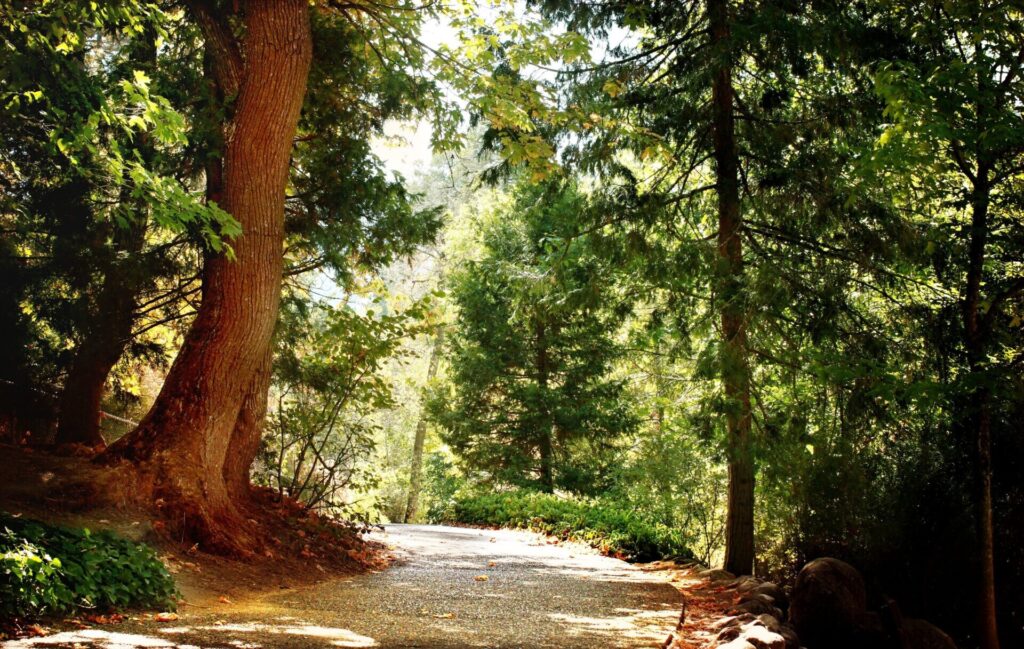
- A redwood trail walk at an easy pace
- Time by the ocean with a journal
- A quiet park visit with a short breathing practice
Group support
In community-led spaces, group support can look like integration circles, peer sharing, or guided reflection.
Recovery time
A well-planned retreat includes rest. That can mean a long sleep window, quiet meals, and a day with minimal obligations.
If you are trying to match a classic retreat vibe with lodging, meals, and a set schedule, Santa Cruz requires more self-planning. Some travelers prefer that. Others want a single itinerary where everything is arranged.
Travel notes and local culture for visitors
Santa Cruz is accessible, but it still helps to plan the trip like a wellness stay rather than a fast weekend.
Getting there
Most visitors fly into San Jose or San Francisco and travel south. Drive times depend on traffic. If you are building a retreat-style trip, plan arrival earlier in the day so you do not start your first night rushed.
Getting around
A car makes nature access easier, but you should not plan to drive if you are participating in any experience that could leave you tired or emotionally raw. If your trip includes any guided session, plan rides in advance.
Where to stay
Choose lodging that supports sleep.
- Quiet location
- Reliable heating or cooling
- Easy access to simple meals
- Space to sit, write, and decompress
Local culture and expectations
Santa Cruz has a strong wellness culture and a strong privacy culture. In many group settings, phones are discouraged and photos are not welcome. Ask before you record anything. Respect that some people attend community spaces for personal reasons and do not want visibility.
If you are comparing Santa Cruz to destinations that offer a fully packaged retreat model with lodging, meals, excursions, and guided support in one place, some travelers decide to travel internationally for a clearer retreat container. We at ONE Retreats in Negril host retreat itineraries that bundle key logistics so guests can focus on preparation, the onsite experience, and post-retreat integration.
Health, safety, and integration aspects
This is the part most people skip when they are excited about a retreat. It is also the part that determines how safe and helpful the trip feels.
Health screening
A responsible plan includes an honest look at your health history. Topics that should be covered
- Current medications and supplements
- Cardiovascular health including blood pressure
- History of seizures
- Personal history of bipolar disorder, mania, or psychosis
- Family history of bipolar disorder or psychosis
- Current substance use patterns
- Current stress level and support network
If you have complicated medical history, a community retreat model may not be appropriate. Screening should not feel like a formality. It should feel like care.
Safety protocols in community settings
Even in small circles, basic safety standards matter.
- Clear consent rules and boundaries
- A plan for challenging moments that does not rely on force or shame
- Enough support staff to pay attention to what is happening
- Water, bathrooms, comfortable seating, and a low-risk physical space
- A transportation plan if someone needs to leave early
- A plan for medical escalation if needed
Preparation standards
A practical preparation plan is simple.
Two weeks out
- Stabilize your sleep schedule
- Reduce alcohol
- Keep caffeine moderate
- Begin light breathwork or meditation practice
One week out
- Keep meals regular
- Reduce heavy social commitments
- Write down your intention in one sentence
- Plan your post-trip schedule so you are not overloaded
Two days out
- Hydrate
- Eat familiar foods
- Pack comfortable clothes and layers
- Confirm transportation and lodging details
Integration
Integration is where a retreat becomes useful in daily life. A basic plan can be enough if you follow it.
First 72 hours
- Rest and keep your schedule light
- Eat steady meals
- Avoid alcohol
- Journal for ten minutes each day
- Take one long walk each day
First two weeks
- Choose one practice to repeat, like breathwork or gentle yoga
- Talk to a trusted person about what came up
- Avoid big life decisions made in a rush
- Track sleep and mood patterns
If you want a stronger plan, set one integration appointment before you travel. That can be therapy, coaching, or a peer integration circle.
Updates on broader California psilocybin policy
California’s statewide approach still shapes what is realistic in Santa Cruz. In 2025, California has seen repeated legislative efforts aimed at changing penalties and creating pathways toward regulated access. Some proposals focus on decriminalization. Some focus on regulated services. The outcome has been a steady stream of public discussion without a statewide licensed service model.
For Santa Cruz visitors, the takeaway is practical.
- There is no statewide system you can point to that guarantees a licensed retreat market.
- Local culture can be supportive, but law and regulation remain limited.
- The policy environment can shift, so check current rules close to your travel dates.
- If you want a legally defined service framework, you may need to look outside California.
Santa Cruz can still be a meaningful place for a wellness-centered trip that includes nature, reflection, preparation routines, and integration support. The key is matching expectations to reality, planning for safety, and treating the retreat as a full arc that includes the weeks after you return home.